Home / Medication / Wegovy
Medication information

Wegovy Injection

Medical information on approval, effects, use, dosage and side effects

Semaglutide Injection Once weekly Prescription-only
This page was reviewed by Dr. Nicolette Lammers.
At a glance

Wegovy Injection at a Glance

The Wegovy injection is the injectable dosage form of the prescription medicine Wegovy. It contains the active ingredient semaglutide and is injected under the skin once weekly.

Wegovy is used as an adjunct to a reduced-calorie diet and increased physical activity for weight management. Different approval criteria apply to adults and adolescents.

Wegovy is now available both as a once-weekly injection and as a once-daily tablet. Both dosage forms contain semaglutide but differ in administration, dosage and dose escalation.

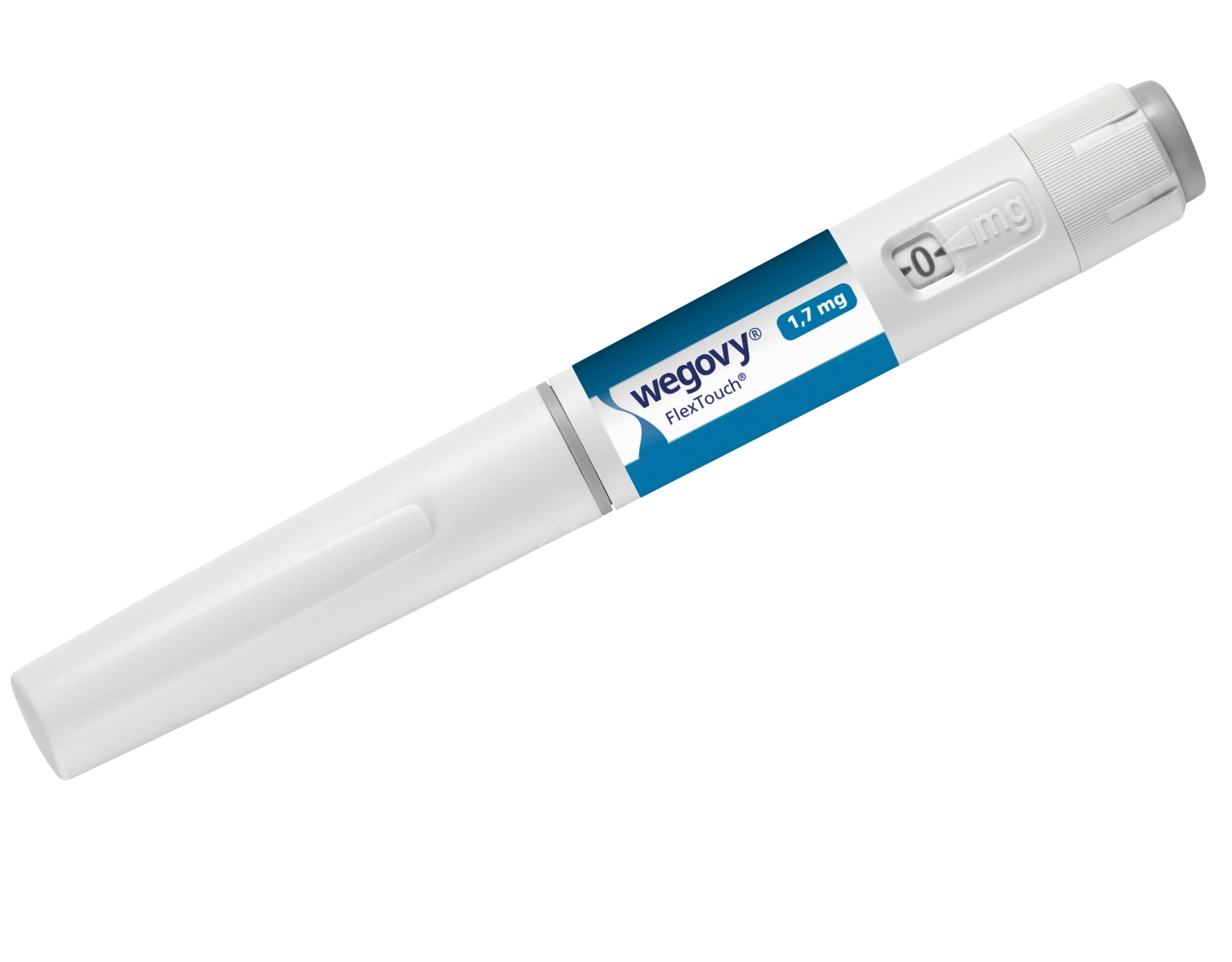
Wegovy pen and pack containing semaglutide
Active ingredient Semaglutide
Dosage form Injection
Administration Once weekly
Dispensing status Prescription only

Who Is the Wegovy Injection Approved For?

In adults, Wegovy is approved for weight management if one of the following criteria is met:

BMI of 30 kg/m² or above A BMI of 30 kg/m² or above is classified as obesity.
BMI from 27 to < 30 kg/m² At least one weight-related health condition must additionally be present.

Weight-related conditions listed in the product information include, for example, prediabetes or type 2 diabetes, high blood pressure, dyslipidaemia, obstructive sleep apnoea or cardiovascular disease. You can calculate your BMI using our BMI calculator.

Wegovy in Adolescents Aged 12 Years and Older

The injectable form of Wegovy is also approved for adolescents aged 12 years and older who have obesity, with a BMI at or above the 95th percentile for age and sex, and who weigh more than 60 kg.

If at least 5% weight loss has not been achieved after 12 weeks on the maximum or maximum tolerated dose, the product information states that treatment should be discontinued and reassessed.

Wegovy Injection or Wegovy Tablets?

The Wegovy injection is injected under the skin once weekly. Wegovy tablets are taken once daily under specific fasting conditions.

Both dosage forms contain semaglutide. However, their dose strengths, absorption and dose-escalation schedules differ. The doses therefore cannot be converted directly into one another. The tablet form is currently intended for adults only.

Effects & studies

How Does the Wegovy Injection Work?

Wegovy contains the active ingredient semaglutide. Semaglutide is a GLP-1 receptor agonist and affects processes involved in the regulation of hunger, appetite, satiety and food intake.

Wegovy is used as an adjunct to a reduced-calorie diet and increased physical activity. The degree of change in body weight varies between individuals.

Hunger

Semaglutide can influence feelings of hunger and appetite.

Satiety

Feelings of fullness may occur earlier and last longer.

Food Intake

Changes in hunger and satiety may contribute to a reduction in energy and food intake.

What Did the STEP 1 Study Show?

STEP 1 investigated semaglutide 2.4 mg once weekly in 1,961 adults with obesity or overweight and at least one weight-related health condition. People with diabetes were not included. Both groups also received a lifestyle intervention.

STEP 1 · Week 68 Semaglutide 2.4 mg once weekly compared with placebo
Body weight · Semaglutide −14.9% mean change in body weight after 68 weeks
Body weight · Placebo −2.4% mean change in body weight after 68 weeks
At least 10% weight reduction 69.1% of participants receiving semaglutide achieved at least 10% weight reduction
At least 15% weight reduction 50.5% of participants receiving semaglutide achieved at least 15% weight reduction

Context: These results describe averages in a defined study population. They cannot reliably predict the outcome for an individual person. Gastrointestinal symptoms occurred more frequently with semaglutide than with placebo and were an important part of the safety profile.

What Effect Did Wegovy Show in Adolescents?

The STEP TEENS trial investigated semaglutide 2.4 mg once weekly in adolescents with obesity. After 68 weeks, BMI decreased by an average of 16.1% with semaglutide. Around 73% of participants achieved a weight reduction of at least 5%.

These study results also represent group averages and cannot reliably predict an individual's treatment outcome.

What Can Happen After Stopping Wegovy?

In the STEP 1 trial extension, participants regained part of the weight they had previously lost after treatment was discontinued. Treatment should therefore not be stopped or changed without medical guidance.

Side effects & safety

What Side Effects Can the Wegovy Injection Cause?

Like all medicines, Wegovy can cause side effects. Gastrointestinal symptoms are particularly common. Their type, severity and duration can vary between individuals.

Common Symptoms

Very common side effects include nausea, vomiting, diarrhoea, constipation, abdominal pain and headache.

Other Risks

Less common or medically significant side effects can also occur. These include pancreatitis, severe allergic reactions and certain eye conditions.

Injectable Form

The Wegovy injection can also cause injection-site reactions. Gradual dose escalation is also relevant to tolerability.

Important Warning Signs

Severe and persistent abdominal pain, sudden loss of vision or significant deterioration in vision, and signs of a severe allergic reaction should be assessed medically without delay.

A more detailed overview by frequency, together with information on warnings, interactions, contraindications, pregnancy and breastfeeding, is available under Wegovy Side Effects.

Classification & differences

How Does the Wegovy Injection Differ From Other Medicines?

Medicines can differ substantially in their active ingredient, mechanism of action, dosage form, dosage and approved indication. Results from different studies should therefore not be interpreted as direct comparisons of effectiveness.

Wegovy and Ozempic

Wegovy and Ozempic both contain semaglutide and are injected once weekly. However, they differ in their approved indications and dosing. In the EU, Ozempic is approved for the treatment of adults with type 2 diabetes.

More about Ozempic

Wegovy and Mounjaro

Wegovy contains semaglutide. Mounjaro contains tirzepatide, which activates both GIP and GLP-1 receptors. The medicines therefore differ in areas including active ingredient, mechanism of action and dosage.

More about Mounjaro

Wegovy and Saxenda

Saxenda contains liraglutide and is injected once daily. Wegovy contains semaglutide and is administered once weekly.

More about Saxenda

Wegovy Injection and Wegovy Tablets

Both forms contain semaglutide. The injection is administered under the skin once weekly, while Wegovy tablets are taken once daily under specific fasting conditions.

More about Wegovy tablets

Further factual information is available in our medication overview and our active ingredients overview.

Frequently asked questions

Frequently Asked Questions About the Wegovy Injection

Does Wegovy Always Need to Be Stored in the Refrigerator?

Before first use, the Wegovy FlexTouch pen is stored in the refrigerator in accordance with the package leaflet. It must not be frozen.

For storage of a pen that has already been used, follow the instructions in the relevant package leaflet. The specific pen system should be taken into account.

Can You Inject Wegovy Yourself?

Yes. Wegovy is intended for subcutaneous self-administration. Before first use, the correct handling of the relevant pen should have been explained.

Detailed information on injection sites and pen systems is available under How to Use Wegovy.

How Often Is Wegovy Injected?

Wegovy is used once weekly. Where possible, the injection should be given on the same day each week. Administration is not tied to meals or a particular time of day.

How Long Is Wegovy Used For?

Wegovy is approved for long-term weight management, including weight loss and weight maintenance. There is no single maximum duration of treatment specified for everyone.

How long treatment is continued depends on factors including effectiveness, tolerability and the individual's health situation.

Can Wegovy Be Used in People With Type 2 Diabetes?

In adults, type 2 diabetes is one of the possible weight-related health conditions included in the Wegovy indication.

Wegovy should not be equated with a medicine specifically indicated for the treatment of diabetes. Additional medical precautions may be required in people who already take diabetes medication.

Medical sources

Sources on the Wegovy Injection

  1. European Medicines Agency (EMA). Wegovy – EPAR and current product information. Official European information on approval, indication, dosage, administration, warnings, side effects and contraindications. View Wegovy at the EMA.
  2. Wilding J. P. H., Batterham R. L., Calanna S. et al. Once-Weekly Semaglutide in Adults with Overweight or Obesity. New England Journal of Medicine. 2021;384:989–1002. DOI: 10.1056/NEJMoa2032183. Randomised STEP 1 trial of semaglutide 2.4 mg once weekly. View STEP 1.
  3. Weghuber D., Barrett T., Barrientos-Pérez M. et al. Once-Weekly Semaglutide in Adolescents with Obesity. New England Journal of Medicine. 2022;387:2245–2257. DOI: 10.1056/NEJMoa2208601. Randomised STEP TEENS trial in adolescents. View STEP TEENS.
  4. Wharton S., Calanna S., Davies M. et al. Gastrointestinal tolerability of once-weekly semaglutide 2.4 mg in adults with overweight or obesity. Diabetes, Obesity and Metabolism. 2022;24:94–105. DOI: 10.1111/dom.14551. Analysis of gastrointestinal adverse events in the STEP trials. View the study.
  5. Wharton S., Freitas P., Hjelmesæth J. et al. Once-weekly semaglutide 7.2 mg in adults with obesity (STEP UP). The Lancet Diabetes & Endocrinology. 2025;13(11):949–963. DOI: 10.1016/S2213-8587(25)00226-8. Trial investigating the higher semaglutide dose of 7.2 mg. View STEP UP.
  6. Wilding J. P. H., Batterham R. L., Davies M. et al. Weight regain and cardiometabolic effects after withdrawal of semaglutide: The STEP 1 trial extension. Diabetes, Obesity and Metabolism. 2022;24(8):1553–1564. DOI: 10.1111/dom.14725. Extension study examining body-weight changes after discontinuation of treatment. View the STEP 1 extension.
Scroll to Top